



You hear the term everywhere in the beauty world: “skin barrier.” Experts talk about protecting it, influencers talk about damaging it, and products promise to repair it. But what is the skin barrier, really? And more importantly, how can you tell if yours is in trouble?
If you’re dealing with constant redness, sensitivity, and dryness, understanding your skin barrier isn’t just a trend—it’s the key to unlocking lasting relief. This ultimate guide will break down the science in simple terms and provide a complete protocol for repairing your skin barrier, helping you achieve true skin rejuvenation.
What Is the Skin Barrier? Your Body’s First Line of Defense
Your skin barrier, also known as the stratum corneum, is the outermost layer of your skin. Think of it as your personal, highly intelligent security guard. It’s your body’s first line of defense against the outside world.
The “Brick and Mortar” Analogy Explained
The easiest way to visualize the skin barrier is with the “brick and mortar” analogy.
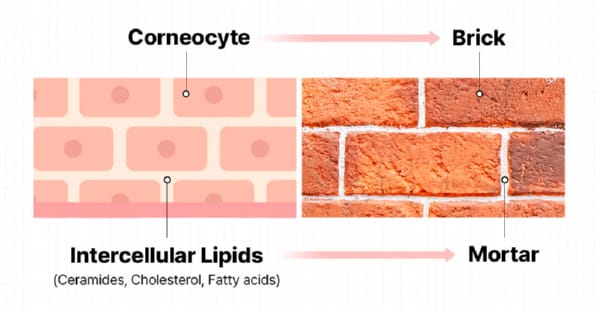
- The Bricks: These are your skin cells (corneocytes).
- The Mortar: This is a lipid matrix made of ceramides, cholesterol, and fatty acids. This “mortar” surrounds the cells, holding them together to form a strong, cohesive wall.
A healthy barrier is a perfectly sealed wall. A damaged one is a wall with cracks in the mortar.
Its Two Critical Functions: Keeping Good In, and Bad Out
This wall has two vital jobs:
- Keep the Good In: It prevents transepidermal water loss (TEWL), effectively locking moisture into your skin to keep it hydrated and plump.
- Keep the Bad Out: It protects you from external aggressors like pollution, UV radiation, and harmful bacteria.
Signs of a Damaged Skin Barrier: How to Know If Yours is Compromised
How do I know if my skin barrier is damaged? Your skin will send clear distress signals. Look out for these common signs of a compromised, or “leaky,” barrier.
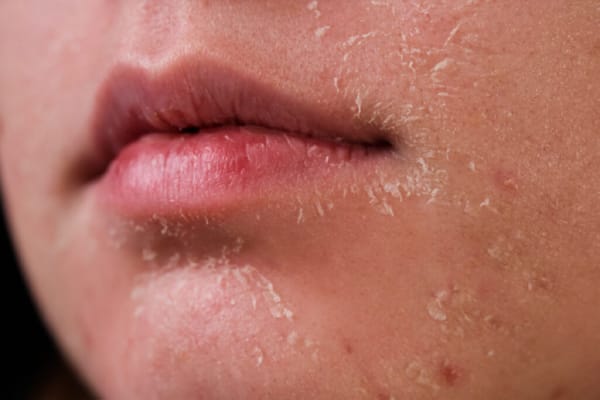
Increased Redness and Sensitivity
When your barrier is compromised, irritants can easily penetrate the skin, triggering an inflammatory response. This often shows up as persistent redness, stinging, or burning sensations, even when using familiar products.
Chronic Dryness and Dehydration
A damaged barrier cannot effectively hold onto moisture. If your skin feels constantly tight, flaky, and dry no matter how much moisturizer you apply, it’s a classic sign that your barrier is failing to lock in hydration.
Itchiness, Rashes, or Breakouts
A weakened defense system can leave your skin vulnerable to all sorts of issues. An increase in itchiness, unexplained rashes, or even breakouts can be a sign that your barrier is struggling to maintain a healthy balance.
The Repair Protocol: A Step-by-Step Guide to Rebuilding Your Barrier
The good news is that with the right care, you can absolutely begin the process of skin barrier repair. How to repair the skin barrier? Follow this simple, four-step protocol.
Step 1: Strip Back Your Routine (Go Gentle)
The first rule of getting out of a hole is to stop digging. Immediately cease using any harsh or potent active ingredients. This means pausing your use of strong exfoliants (like glycolic acid), high-concentration retinoids, and foaming cleansers with sulfates. Go gentle on your skin.
Step 2: Choose a Barrier-Friendly Cleanser
Switch to a creamy, milky, or gel-based cleanser that is pH-balanced and free of sulfates. Your cleanser’s only job right now is to clean your skin without stripping away its precious natural oils.
Step 3: Introduce a Targeted Repair Mask
This is your intensive treatment step. Incorporate a high-quality soothing facial mask into your routine 2-3 times a week. A great face mask for sensitive skin, like the Flyode Soothing Masks, will deliver a concentrated dose of anti-inflammatory and barrier-supporting ingredients to accelerate the healing process.
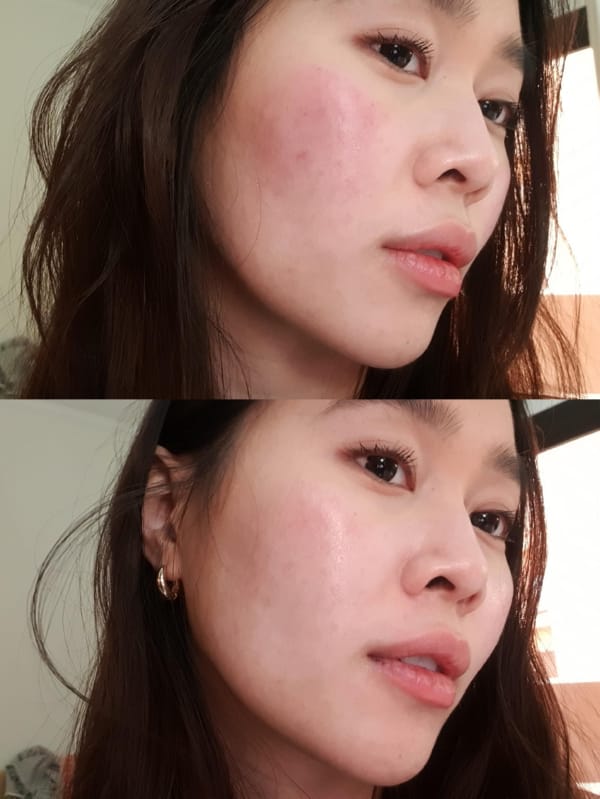
Step 4: Load Up on Barrier-Supporting Ingredients
Make your daily moisturizer and serum work for you. Look for products rich in barrier-native ingredients like Ceramides, Cholesterol, and Fatty Acids. Niacinamide and peptides are also excellent for helping to strengthen and rebuild.
A Healthy Barrier is the Foundation of Healthy Skin
Ultimately, every skincare goal you have—from reducing wrinkles to fading dark spots—depends on a strong, healthy foundation. A healthy skin barrier is that foundation. By focusing on its health first, you are not just solving current problems; you are building more resilient, radiant skin for the future.
Ready to start rebuilding? Discover our collection of masks designed for barrier support and take the first step towards your healthiest skin ever.
FAQ: Your Top Skin Barrier Questions
How long does it take to repair a damaged skin barrier?
How long does it take to repair the skin barrier? The timeline can vary depending on the extent of the damage, but with a consistent, gentle routine, most people will start to see and feel a significant improvement in 2 to 4 weeks. Full repair can take a couple of months.
Can I still exfoliate if I’m trying to repair my barrier?
It is highly recommended to stop all forms of exfoliation during the initial, acute repair phase. Once your skin feels calm and hydrated again, you can slowly re-introduce a very gentle exfoliant (like a PHA-based toner) once a week.
Is a damaged skin barrier the same as having sensitive skin?
Not exactly. A damaged barrier is a condition (sensitized skin) that can be repaired. True sensitive skin is a genetic type. However, a damaged barrier is the primary cause of symptoms in both conditions. We explore this in our deep dive on sensitive vs. sensitized skin.
Which Flyode mask is the absolute best for barrier repair?
Our soothing facial mask collection is specifically formulated for this purpose. It is packed with anti-inflammatory botanicals to calm immediate irritation and contains ingredients that support the skin’s natural repair process, making it the ideal choice for a compromised skin barrier.